
Hardware is the ensemble’s moving machinery — and machinery packed with grit and cooked by heat fails on a schedule you can inspect for: zipper travel, snap engagement, and hook-and-loop grip. Three checks, thirty seconds each.
How do you check a gear zipper?
Run it end to end: it should travel smoothly without separating behind the slider. Check for missing teeth, a slider that wobbles on its track, and fabric fraying into the chain. A zipper that needs force is a zipper mid-failure — and a front closure that lets go in a crawl is an exposure event, not an inconvenience.
What fails on snaps and buckles?
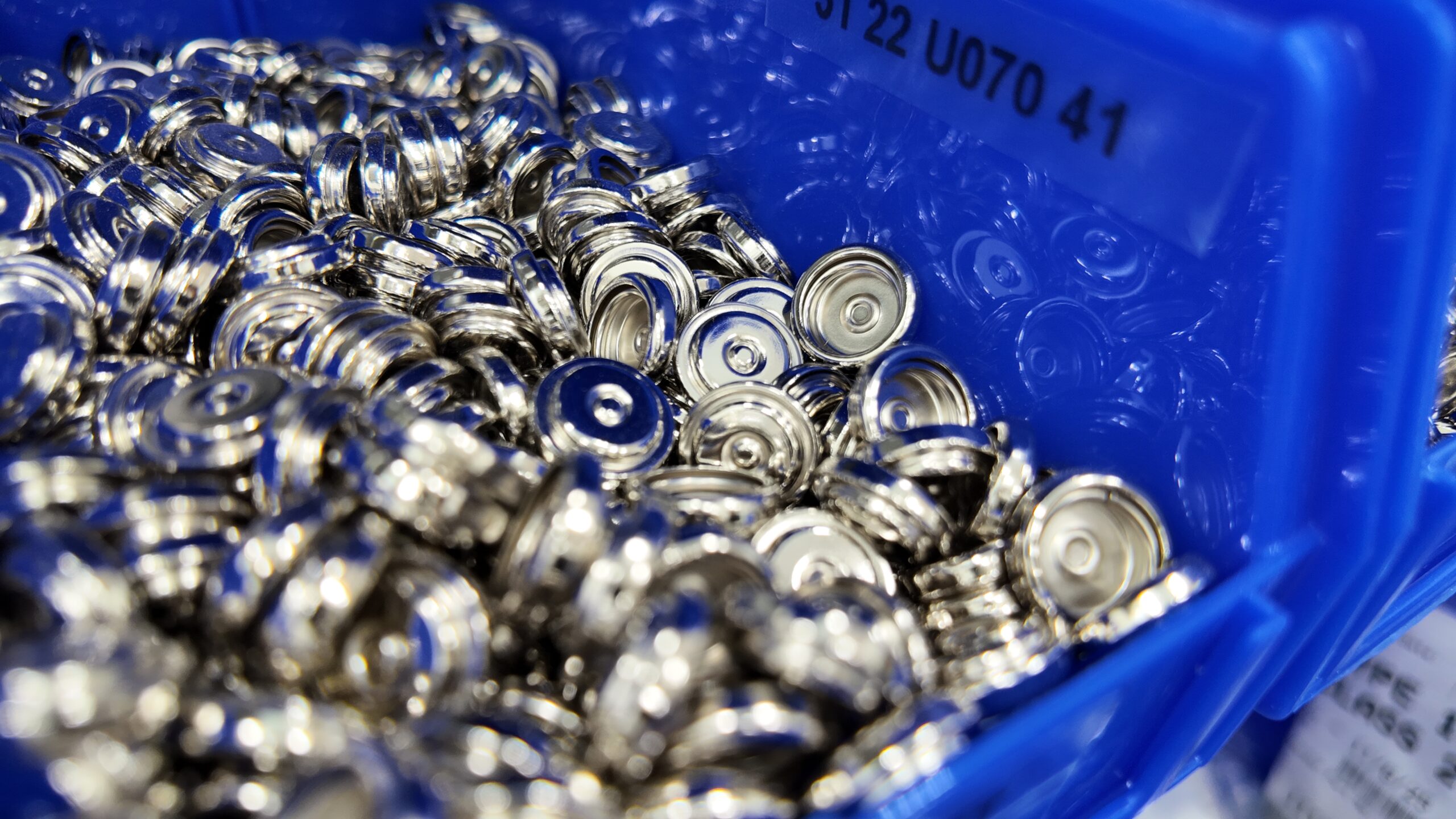
- Corrosion and grit inside the socket — snap engagement should be a firm, positive click
- Cracked baseplates from impact — look at the fabric around the snap for pulled stitching too
- Heat distortion on polymer buckles — any gloss change or warp is disqualifying
When is hook-and-loop worn out?
When it releases under a firm two-finger peel or holds visibly less grit-free area than clean tape. Heat glazes hooks and melts loops; grit packs the field. Brushing buys time; glazed or melted tape needs replacement — a routine bench job.
Can hardware be repaired at the station?
Cleaning and brushing, yes. Replacement, no — hardware attaches through protective layers, so replacement is a manufacturer-spec bench repair. The good news: it is among the cheapest work we do. Quote it before it fails on scene.
FAQ
Why does hardware fail more in summer?
Sweat accelerates corrosion, grit rides in on dry-season calls, and heat cycles fatigue polymers — the season stacks all three.
Are aftermarket zipper pulls okay?
A pull cord through the existing slider hole is fine; replacing hardware components with non-spec parts is not.