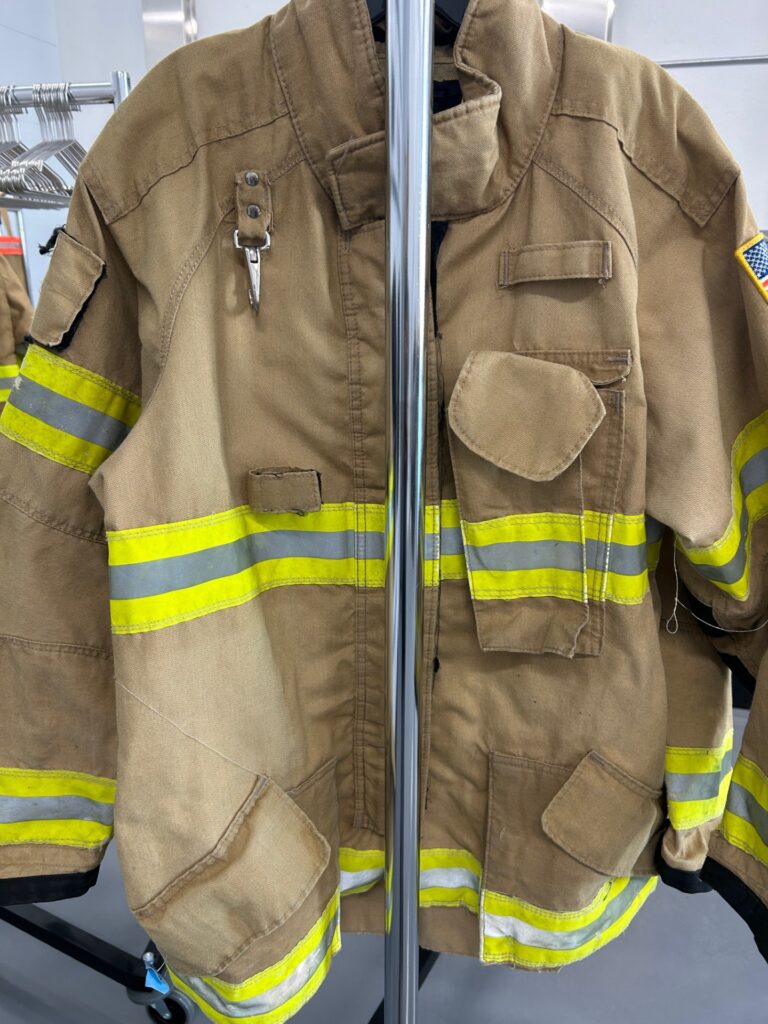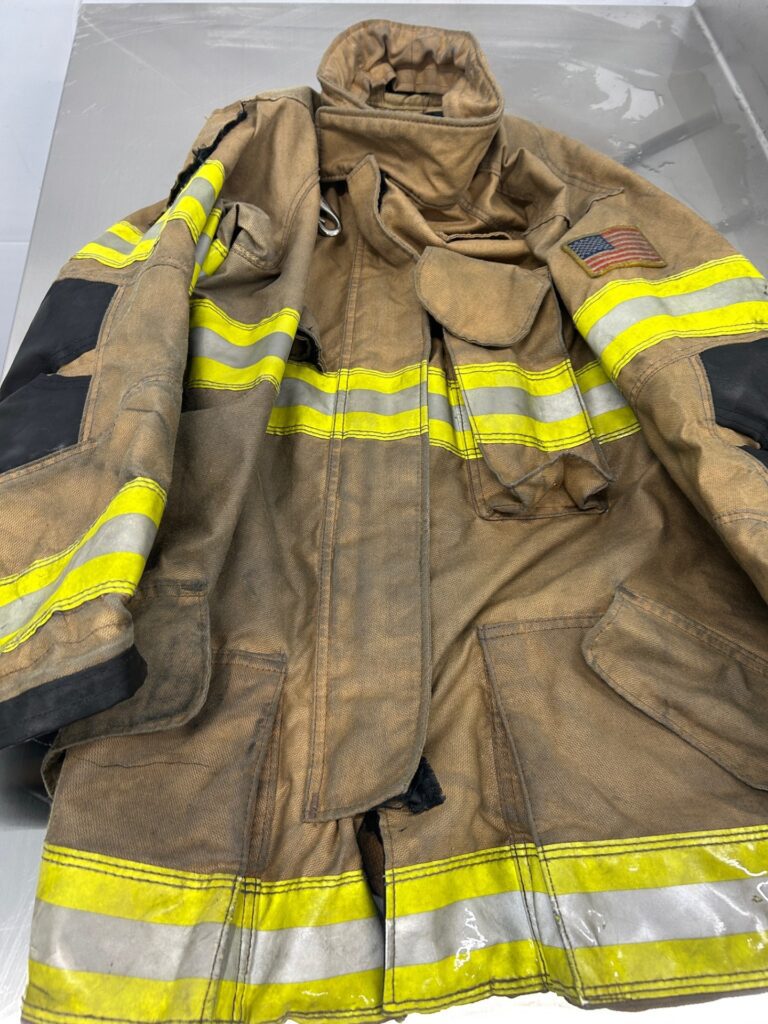
NFPA 1850 Turnout Gear Care
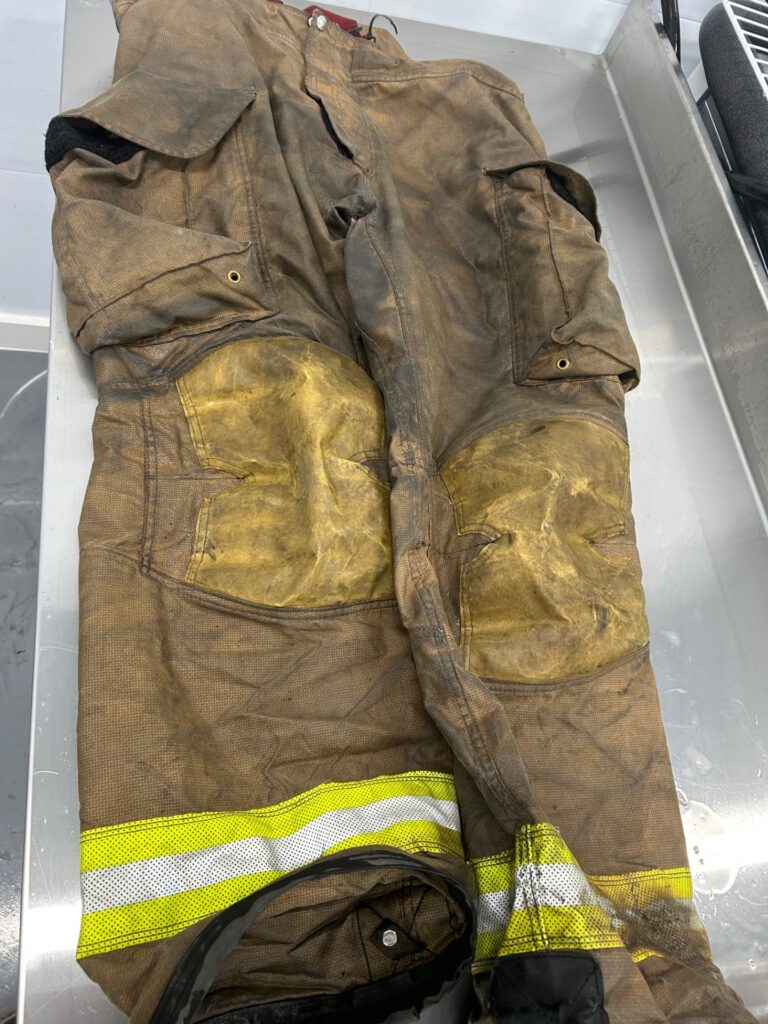
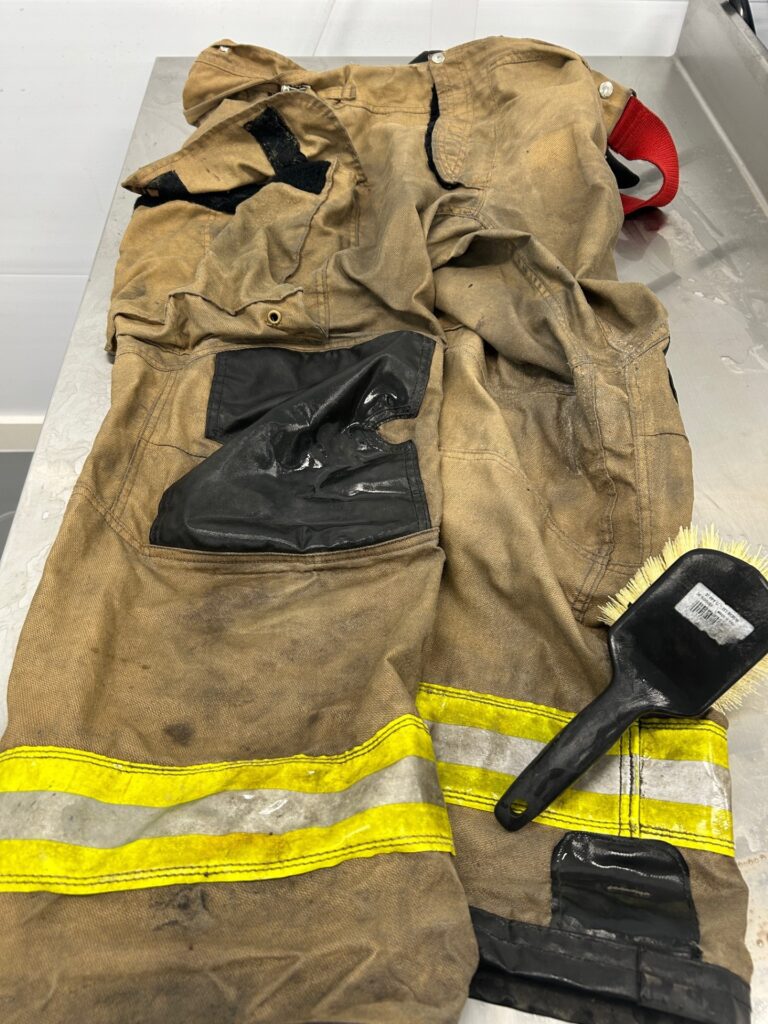
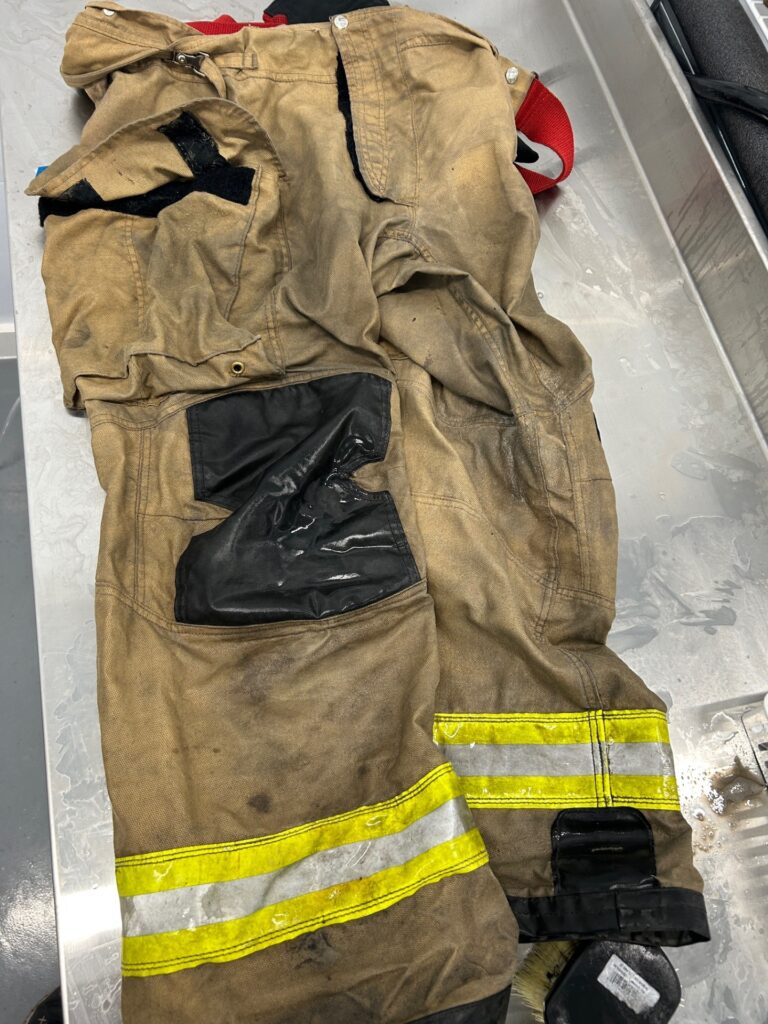
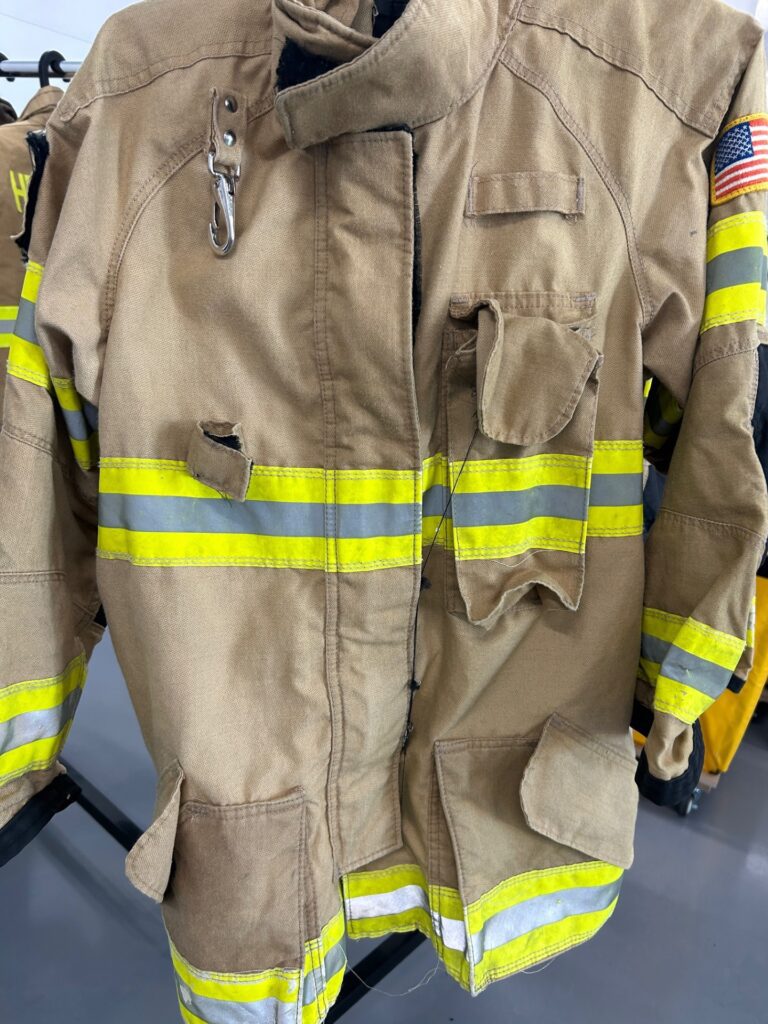
Turnout gear gets dirty saving lives. But when the contaminants stay, the risks follow you home. This isn’t just cleaning — it’s protecting firefighters long after the fire is out. This video shows why proper PPE care matters to every firefighter and every family behind them.
NFPA 1850 PROCESS
Turnout gear gets dirty saving lives. But when the contaminants stay, the risks follow you home. This isn’t just cleaning — it’s protecting firefighters long after the fire is out.
Step 1
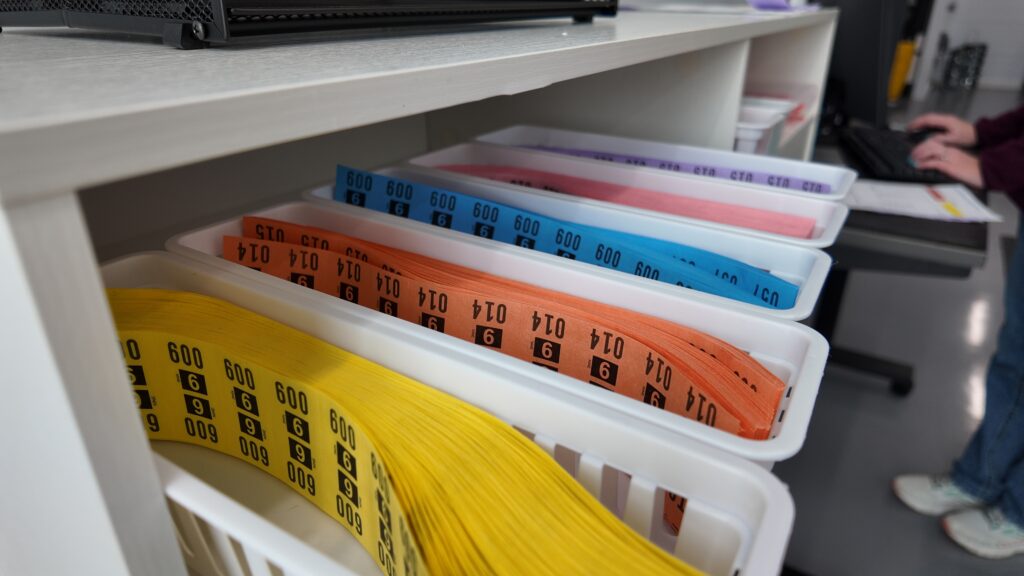
Intake & Logging
Every garment tagged upon arrival and logged into our tracking system. We document the current condition, serial numbers, and specific cleaning requirements.
Step 2
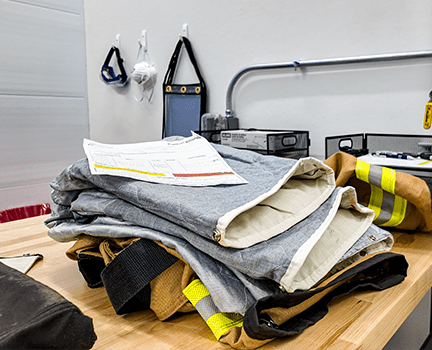
Preliminary Inspection
Our receiving associate performs a visible triage to identify heavy soiling, to determine which cleaning method is required.
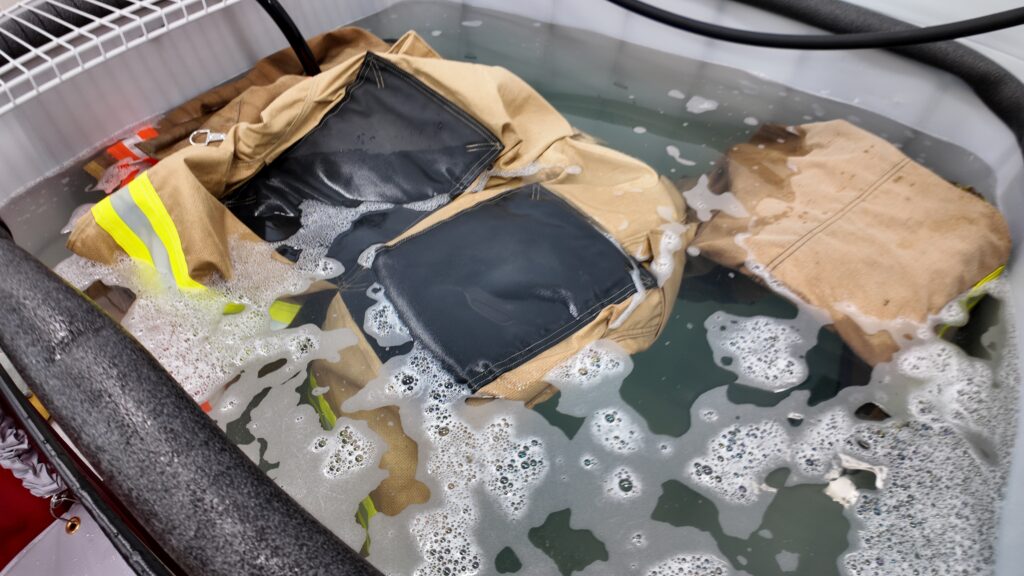
Step 3
Initial Decon Soaking
All outer shells undergoe a pre-soak to break down stubborn hydrocarbons and toxins that standard washing can’t reach.
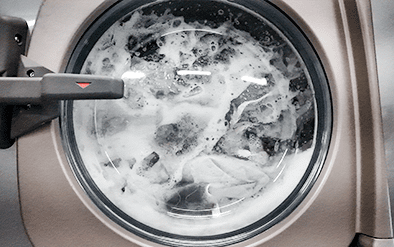
Step 4
Extraction Wash & Dry
Using NFPA 1850 compliant programmable extractors and detergents, we perform an advanced cleaning for fiber-level de-contamination.
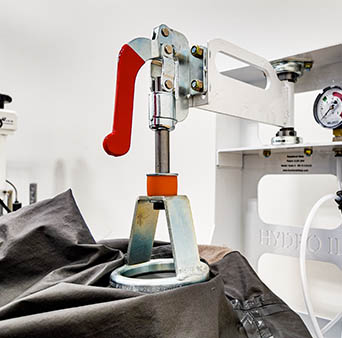
Step 5
Moisture Barrier Testing
We perform hydrostatic water barrier testing on outer shells in high-wear areas.
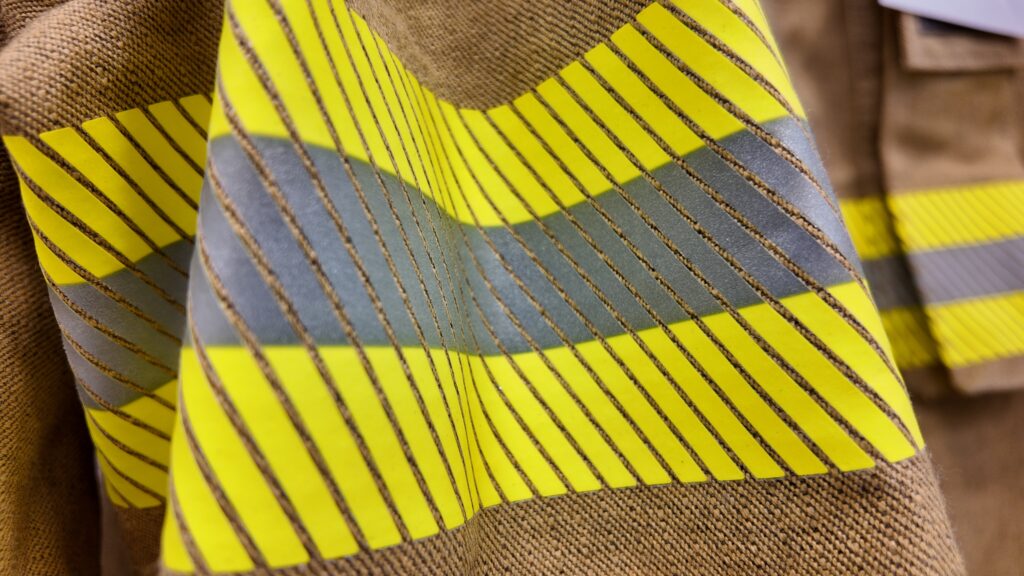
Step 6
Outer Shell Inspection
Outer shells undergo an advanced inspection by a trained associate. All repairs are logged into the ppe tracking database.
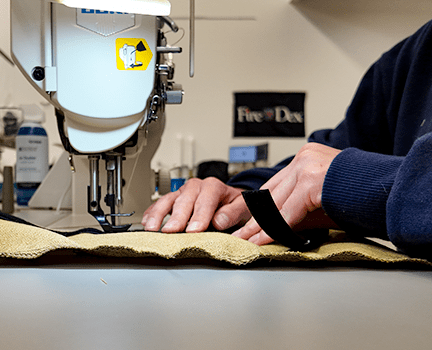
Step 7
Restoration & Assembly
Our verified sewing team assembles the components, using fire resistant-rated threads and materials to restore the garment to its original protective integrity.
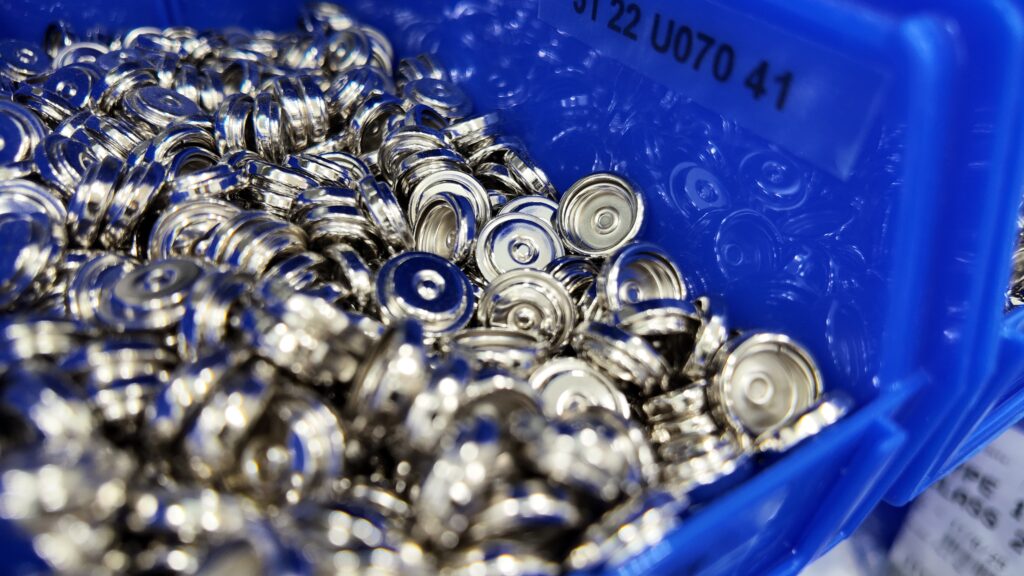
Step 8
Hardware & Closure Repairs
Precision hardware repairs to restore your gear’s structural integrity and safety.
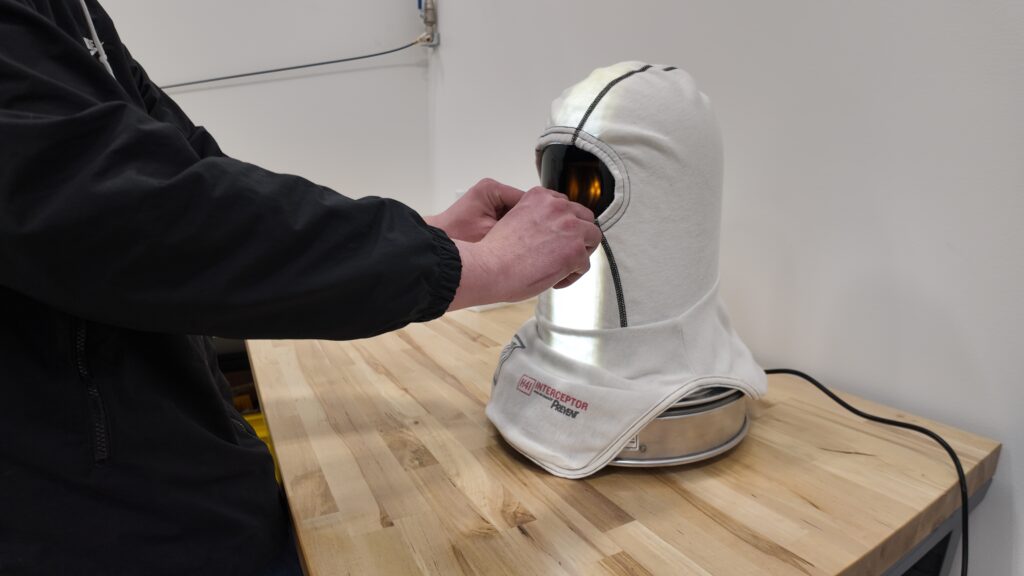
Step 9
LumiPHI Particulate Hood Inspection
Hoods are inspected using a lumiPHI tester, associates are looking for damage were a burn could occur
Pre-care & Post-care Gallery