NFPA 1850 is the fire service’s consolidated standard for the care of protective ensembles and SCBA — and for a chief, it reduces to five obligations: select properly, clean on triggers, inspect annually, document everything, and retire on schedule. Ten minutes, no jargon.
Where did 1850 come from?
It consolidates the former NFPA 1851 (structural ensemble care) and 1852 (SCBA care) lineage into one standard covering selection, care, and maintenance together. If your SOPs still cite 1851/1852, the requirements carried forward — the citation needs updating, the habits mostly translate.
The five obligations, unpacked
- Selection: gear appropriate to your hazards, purchased against the ensemble standards, fitted at issue.
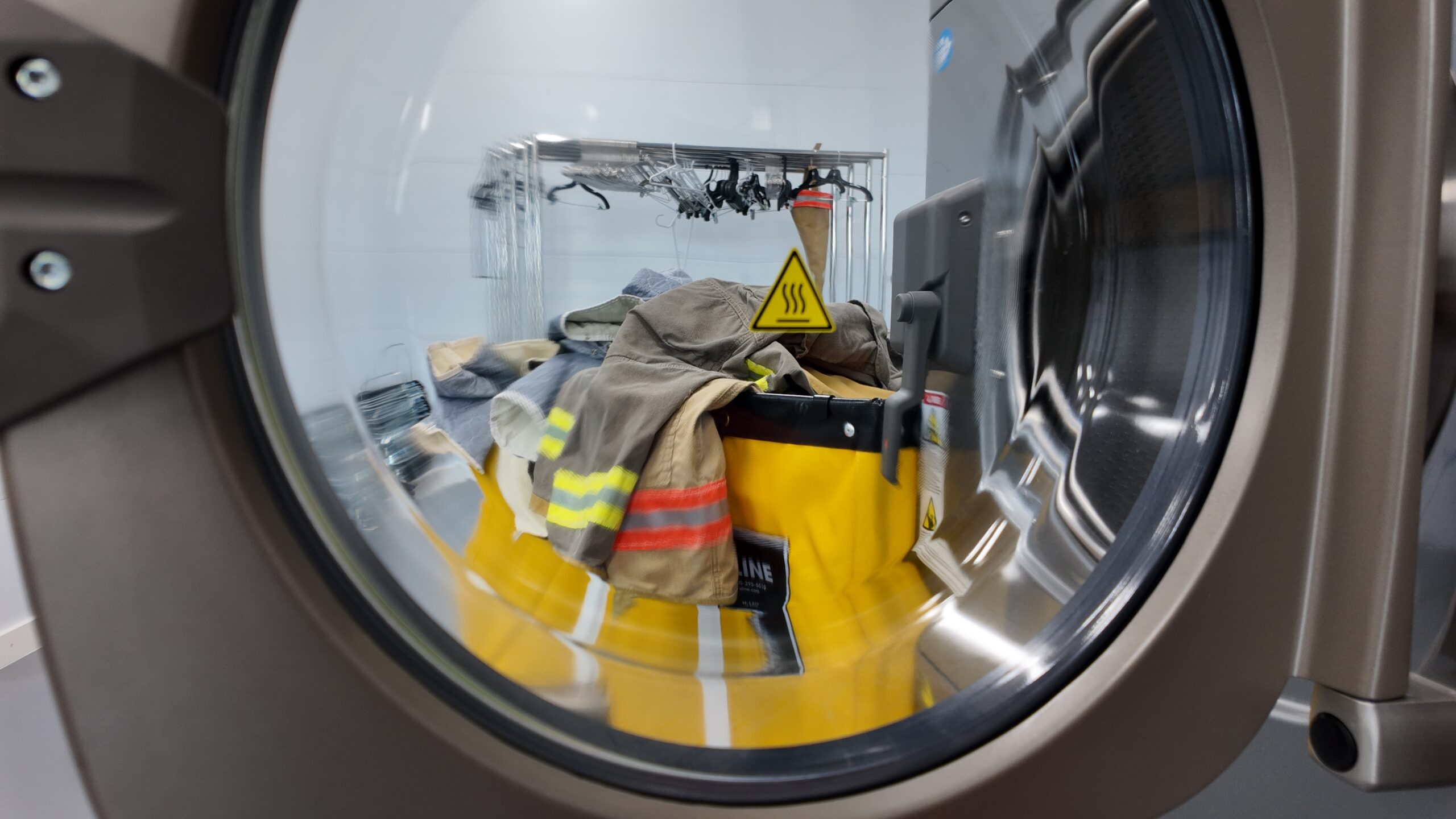
- Cleaning: tiers with triggers — routine cleaning after products-of-combustion exposure, advanced cleaning on schedule and after heavy contamination, sanitization for biologicals.
- Inspection: the wearer’s routine checks, plus an advanced inspection of every ensemble at least annually by trained personnel — the program’s backbone.
- Documentation: per-garment records of it all — the part audits actually test.
- Retirement: age limits and condition-based removal, with destruction or marking so retired gear never masquerades as protection.
What does compliance cost a real department?
Less than its reputation suggests: an annual per-set inspection cost, station wash habits, and a records hour a month. See transparent pricing and the deeper guide at What is NFPA 1850?
FAQ
Is NFPA 1850 law?
It is a consensus standard — but insurers, courts, and grant programs treat it as the standard of care, which functions similarly in practice.
What’s the first step for a non-compliant department?
A fleet baseline: advanced inspection of everything, which starts records and surfaces the retirement list at once. Book it.