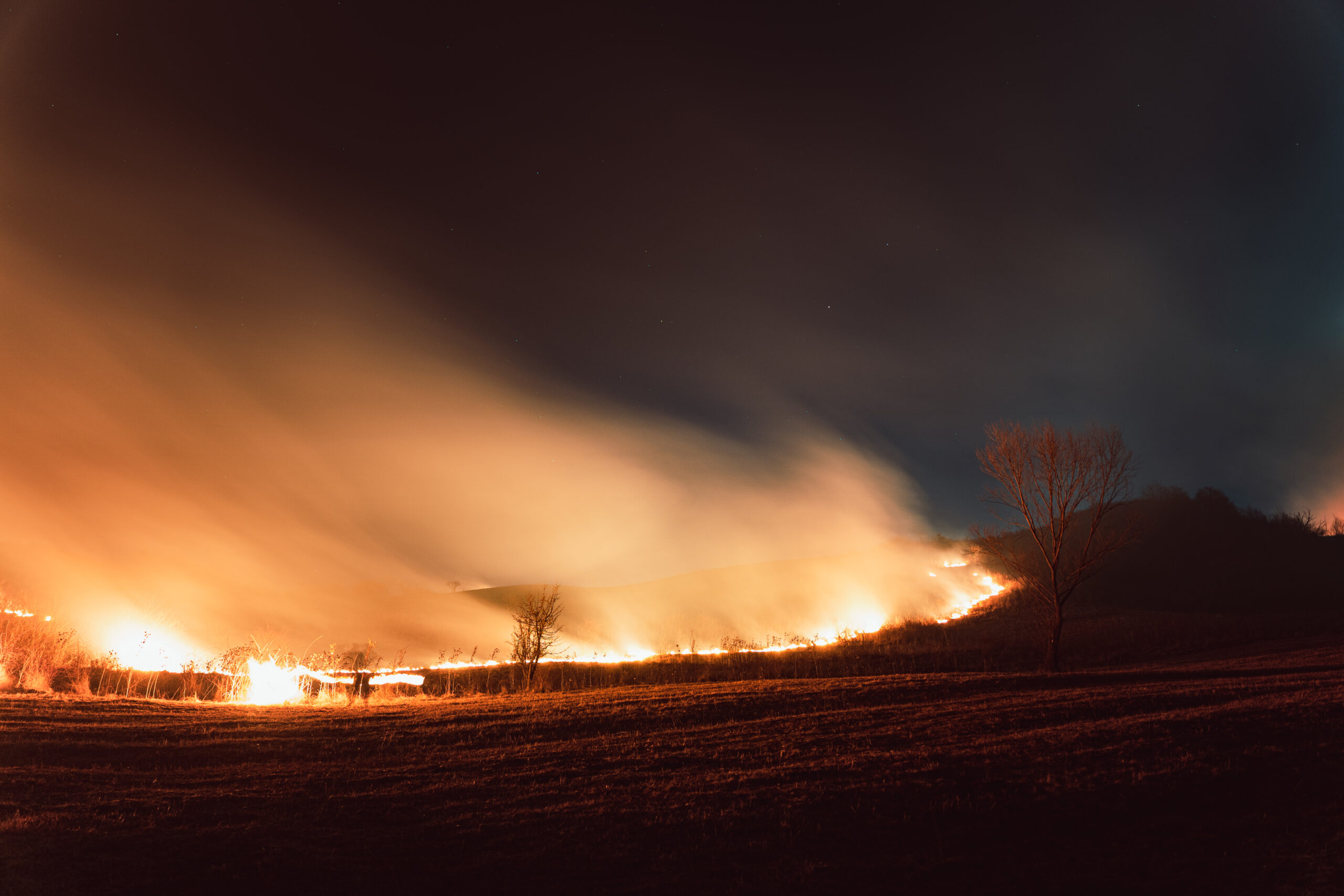
The July run pattern — grass fires, dumpster fires, and the occasional structure job courtesy of fireworks — leaves a signature on gear: pinhole ember burns, fine ash loads, and smoke exposure that departments underrate because the fires were “small.” Small fires still contaminate gear; check and wash accordingly.
What should the post-run check catch in July?
- Ember pinholes: hold shells up to light — fireworks debris and grass-fire embers burn small, clean holes that hide in dark fabric.
- Melt spots from pyrotechnic material — any glazed or hardened spot on shell fabric gets flagged.
- Ash in cuffs, pockets, and boots — fine and alkaline; shake out, then wash.
- Odor: if the coat smells like the fire, the contamination came home with you.
Do small fires really justify a wash?
Burning trash, treated deck lumber, and pyrotechnics produce nastier chemistry per pound than clean wood — exposure is about what burned, not how big it looked. The dumpster fire is often the dirtiest smoke of the month. Routine cleaning after products-of-combustion exposure is the standard’s answer and the right one.
How do busy weeks stay manageable?
Batch it: everything exposed over the holiday week goes through the extractor by the weekend, liners included where exposure warrants. Departments with two-set rotations barely feel it; single-set departments should plan the wash nights ahead of the 4th, not after.
FAQ
Do pinhole burns condemn a shell?
Not automatically — size, location, and layer penetration decide. Tag them for evaluation; small shell-only repairs are routine bench work. Send photos for a quote.
What about gear worn at public fireworks standbys?
Fallout and smoke drift count as exposure — give standby gear the same check.