
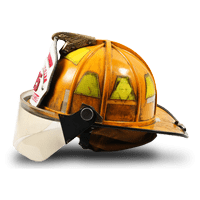
For decades, a soot-stained helmet and blackened turnout coat were seen as “salty”—marks of a seasoned veteran who had seen the worst of the heat. But today, the science is clear: that soot isn’t just dirt. It’s a cocktail of carcinogens, toxins, and particulates that continue to fight you long after the fire is extinguished.
At Heiman Fire, we believe that the most important part of the job is making sure every firefighter goes home healthy. That starts with changing the culture around PPE maintenance.
The Hidden Threat of Contamination
Every time you step into an IDLH (Immediately Dangerous to Life and Health) environment, your Personal Protective Equipment (PPE) acts as a sponge. While it protects you from thermal energy, it absorbs hazardous byproducts of combustion like PAHs (Polycyclic Aromatic Hydrocarbons) and VOCs (Volatile Organic Compounds).
The danger doesn’t stop at the scene. If gear isn’t properly cleaned, these toxins undergo cross-contamination:
- In the Cab: Off-gassing gear releases toxins into the enclosed space of the apparatus.
- At the Station: Dirty gear brought into living quarters spreads carcinogens to surfaces where you eat and sleep.
- On the Skin: Toxins can be absorbed through the skin, especially as body temperature rises and pores open.
The “Clean Gear” Initiative
Safety is a full-cycle process. A robust decontamination program consists of three critical stages:
- Gross Decon On-Scene: Before even leaving the fireground, a preliminary rinse and soap-down can remove up to 85% of surface contaminants.
- Advanced Cleaning: This isn’t just a “laundry day.” NFPA 1851 standards require specialized extractors and detergents that remove deep-seated toxins without damaging the moisture barrier or thermal liner.
- Professional ISP Services: Utilizing an Independent Service Provider (ISP) like Heiman Fire ensures that your gear is inspected for microscopic damage and repaired by certified technicians.
Your Health is the Priority
We’ve moved past the era where dirty gear was a badge of honor. Today, the real badge of honor is a long, healthy career and being there for your family. By prioritizing clean gear, you aren’t just maintaining equipment—you’re saving lives.
Is your department NFPA 1851 compliant?