
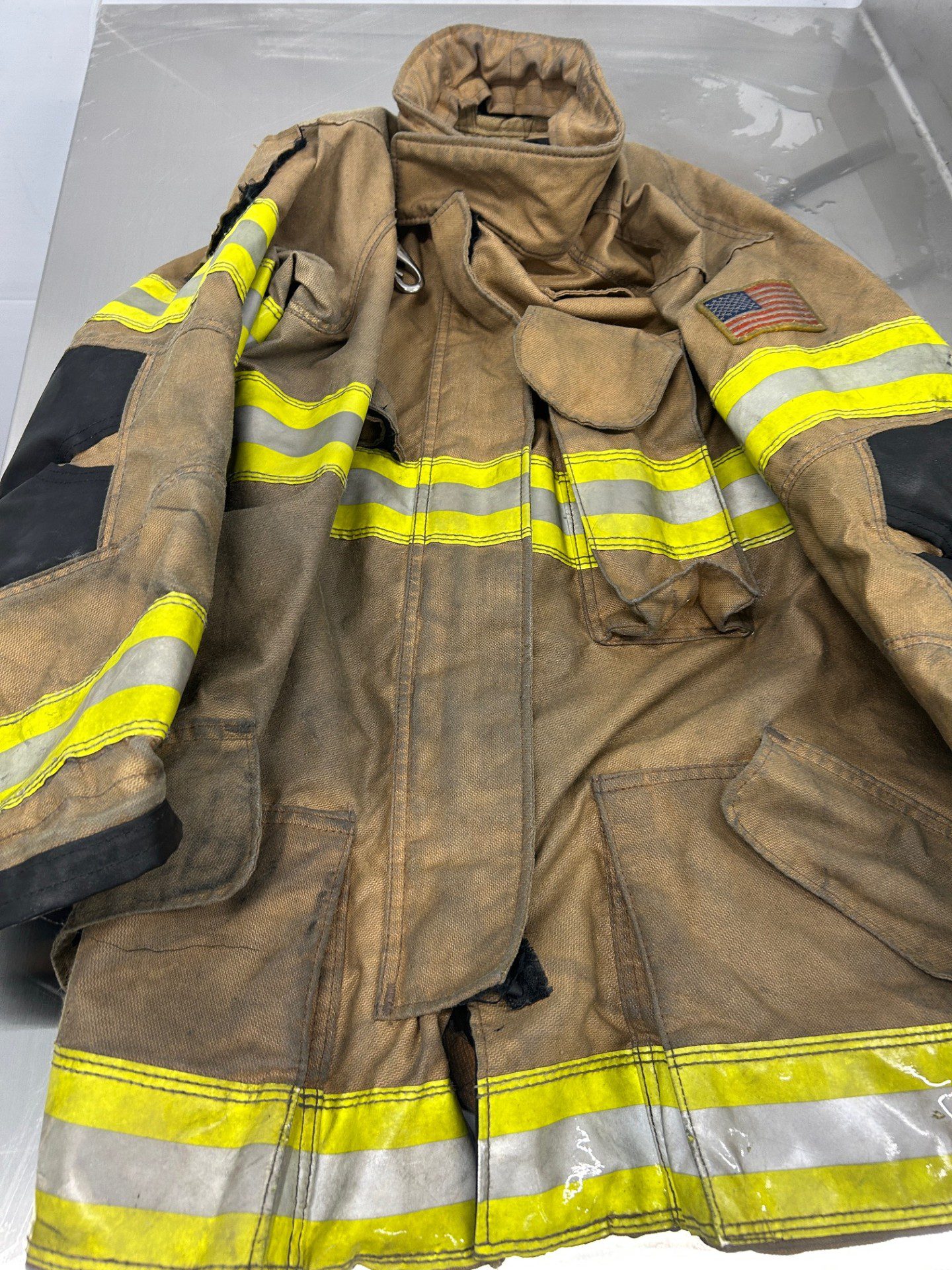
A usable damage photo shows three things: the defect with something for scale, where it sits on the garment, and which garment it is. Departments that photograph damage well get faster repair quotes, cleaner records, and far stronger claims files.
What makes a damage photo useful?
- Scale: a coin or tape measure beside the defect — “small tear” means nothing; “22 mm” means everything.
- Context shot: one wider frame showing the defect’s location on the garment.
- Identification: the label or serial in frame or in the file name — photos that cannot be matched to a garment are noise.
- Light and focus: daylight or bay lights, steady hands; blurry char tells no story.
When should photos be taken?
At discovery (the wearer’s phone is fine), at tag-out, and — for incident-related damage — before any cleaning where safe to do so. Post-incident damage photos support exposure reports and insurance claims; they are evidence, not just paperwork.
Where do the photos live?
Attached to the garment’s service record, named consistently: serial, date, defect. A shared folder per apparatus or per member works; photos trapped on personal phones are lost the day the phone is.
How do photos speed up repairs?
Send them with your quote request — our bench can often classify the repair, confirm materials, and price the work before the garment ships, cutting days off turnaround.
FAQ
Do photos replace the written record?
No — they anchor it. The record still needs date, discovery circumstances, and disposition in words.
Should we photograph gear that passed inspection too?
A baseline photo set at issue is cheap and makes every later comparison objective.