Turnaround on an advanced clean is driven by four things: the season, the batch size, whether inspection rides along, and what the inspection finds. Here is what happens between your loading dock and ours — and how departments plan coverage around it.
What happens to gear inside the shop?
- Intake: every garment logged against your manifest, serials verified, known issues flagged.
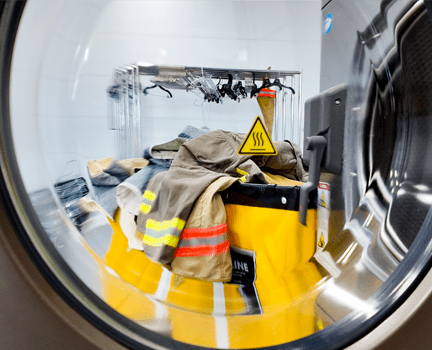
- Advanced cleaning: validated processes matched to the gear system and contamination — shells and liners handled separately.
- Drying: controlled, complete — damp gear never ships.
- Inspection and testing (when ordered together — which is the efficient way): the trained pass, liner testing where applicable.
- Repairs: the wildcard — approved repairs add bench time; that is the honest reason two identical batches can turn around differently.
- Documentation and return: per-garment reports packed with the gear.
What stretches turnaround — and what shrinks it?
Stretches: spring peak season, surprise repair loads, incomplete manifests, gear arriving in unmarked heaps. Shrinks: off-peak booking, batching by shift with a coverage plan, pre-reported damage with photos, and following the turn-in instructions. Prepared departments move through the shop dramatically faster — that is not a slogan, it is our intake data.
How should a department plan coverage?
Batch by shift or company, keep at least one covered rotation home, and ask about loaners for the gap. We will help you split the fleet when you book.
FAQ
Can a rush job be accommodated?
Sometimes — call us. But the reliable version of “fast” is booking early, not rushing late.
Does cleaning-only move faster than cleaning plus inspection?
Marginally — but combined service saves a second shipping cycle and catches problems while gear is already open. Most departments bundle.