The honest answer is hybrid: routine cleaning belongs in your station, and advanced cleaning, inspection, testing, and repair belong with a verified ISP — because the equipment, training, and liability profiles are completely different jobs. Here is the split that actually works.
What can a station do well in-house?
- Routine cleaning after exposures, in a programmable extractor with PPE-safe chemistry
- Gross decon on scene, every fire
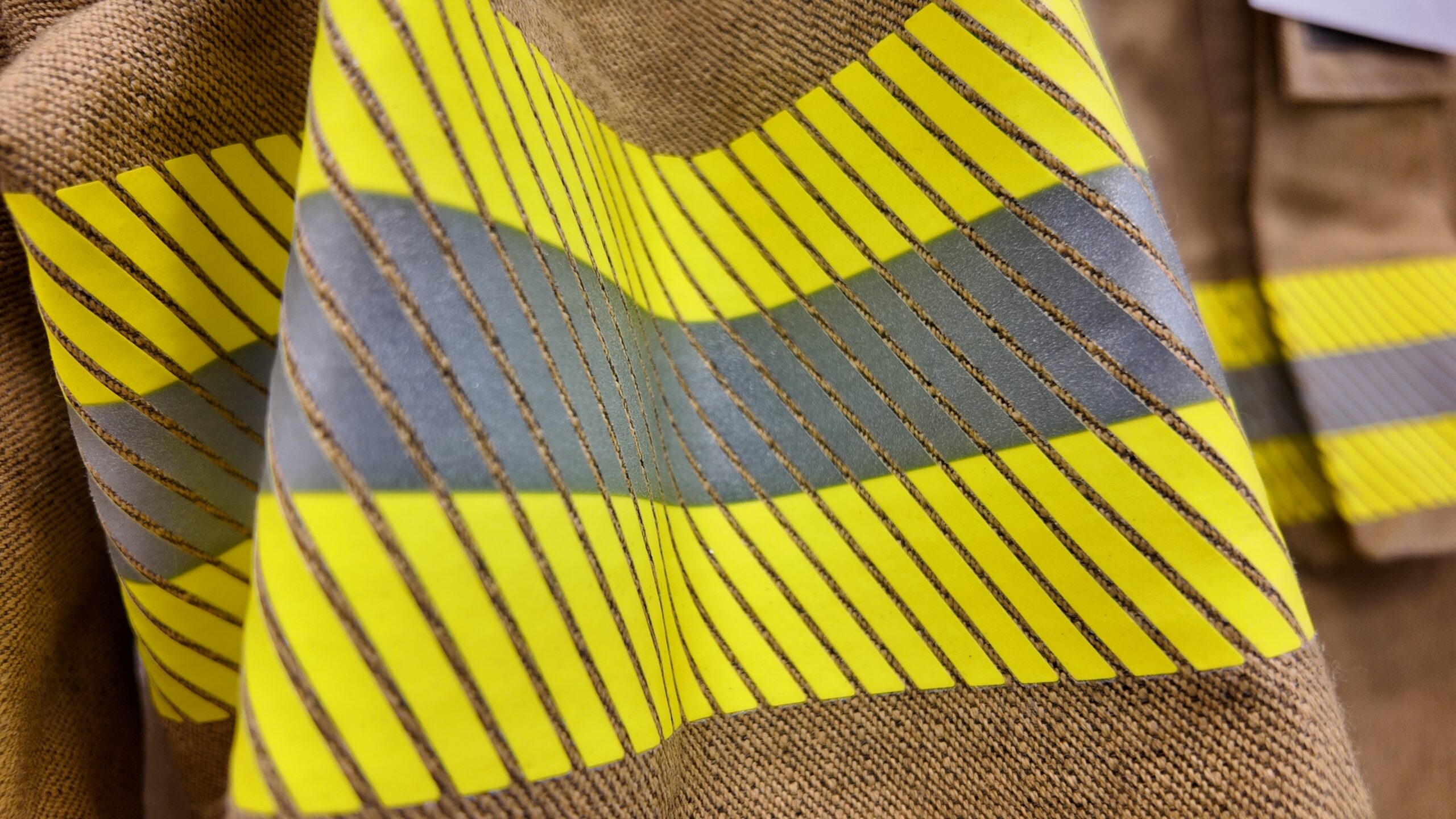
- Wearer-level checks — the trained eyeball on closures, seams, and trim
- Drying in cabinets or ventilated racks
These need modest equipment and habits, not certifications — and doing them in-house keeps them immediate.
What genuinely requires the ISP bench?
- Advanced cleaning with validated processes for heavy contamination and specialized soils
- Advanced inspection — liner separation, barrier evaluation, and the trained judgment that condemns or clears
- Liner integrity testing with calibrated equipment
- Repairs in manufacturer-matched materials and construction
- Third-party documentation — records that stand up because they are not self-graded homework
Where do departments get the split wrong?
Two ways: sending every dirty coat out (burning budget on washes the station could run), or keeping everything in (station “inspections” that miss what only testing finds). The budget-optimal line is exactly where the equipment requirements jump.
FAQ
What should we buy first for in-house capability?
A proper extractor and PPE-safe cleaner — we can spec both for your call volume.
What does the ISP side cost?
Per-service pricing is public on our price list — build your split from real numbers.